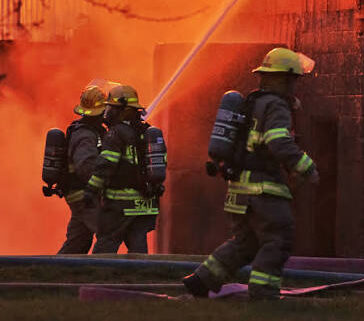
Wildfire activity continues to intensify across the American West, with Oregon and neighboring Washington at the center of a challenging fire season as dozens of large, uncontained wildfires burn across the Pacific Northwest. Fire crews remain engaged in an extensive response while thousands of residents face evacuation orders, road closures, and deteriorating air quality.
According to the National Interagency Fire Center (NIFC), more than 100 large wildfires remained uncontained nationwide as of Monday, with approximately 29,000 firefighters deployed across the country. Fire activity continued to increase after seven new large wildfires were reported on Sunday, adding further pressure to already stretched emergency resources.
Oregon has experienced some of the season’s most significant wildfire activity, with multiple large fires burning across forests, rangelands, and rural communities. Firefighters are working around the clock to protect homes, critical infrastructure, and natural resources while attempting to slow the spread of the flames under difficult weather conditions.
The wildfire outbreak has also severely impacted neighboring Washington, where smoke from active fires has spread across much of the region, reducing visibility and creating hazardous air quality conditions.
Health officials have warned that smoke containing fine particulate matter can pose serious health risks, particularly for children, older adults, pregnant women, and individuals with asthma, heart disease, or other respiratory conditions. Residents are being encouraged to remain indoors whenever possible, keep windows and doors closed, and reduce strenuous outdoor activity during periods of heavy smoke.
As of Tuesday morning, at least 24 cities across the Pacific Northwest were reporting “Unhealthy” or “Very Unhealthy” air quality levels, highlighting the widespread impact of wildfire smoke far beyond the active fire zones.
In addition to threatening communities, the fires have forced the closure of several highways and local roads as emergency crews conduct firefighting operations and work to keep motorists away from dangerous areas. Transportation officials continue to monitor changing fire conditions, with additional closures or evacuation routes possible if fires continue to expand.
Emergency management agencies have urged residents living near active wildfire areas to remain alert for evacuation notices and to be prepared to leave at short notice if conditions deteriorate. Officials recommend having emergency kits ready, monitoring local alerts, and following instructions from fire and law enforcement personnel.
Wildfire behavior can change rapidly depending on weather, wind direction, temperature, and terrain. Fire officials continue to monitor these factors closely as they prioritize protecting lives and property while working to contain the blazes.
Although firefighters have made progress on some incidents, many of the largest fires remain active, and containment efforts are expected to continue for days or even weeks in some locations.
Authorities are also reminding the public to exercise caution when traveling through wildfire-prone regions, as smoke can significantly reduce visibility and road conditions may change quickly due to emergency operations.
With fire season still ongoing, emergency agencies continue to stress the importance of staying informed through official wildfire updates, air quality advisories, and evacuation notifications as crews across Oregon, Washington, and the broader western United States work to bring the fires under control.